OFSR/Journal
Entry 02
Urushi,
seven thousand
years on.
Introduction
How a lacquer older than the wheel ended up on a snowboard.
Before it was art, urushi was protection.
It was brushed onto bowls, tools and boxes. Everyday things. It sealed the material underneath, made it last longer and left behind a surface with a deep, quiet lustre.
Japan’s relationship with lacquer goes back at least seven thousand years. Archaeological evidence suggests it may reach further still. By the time the wheel appeared, urushi had already been worked for millennia.
Our connection to it is much more recent.
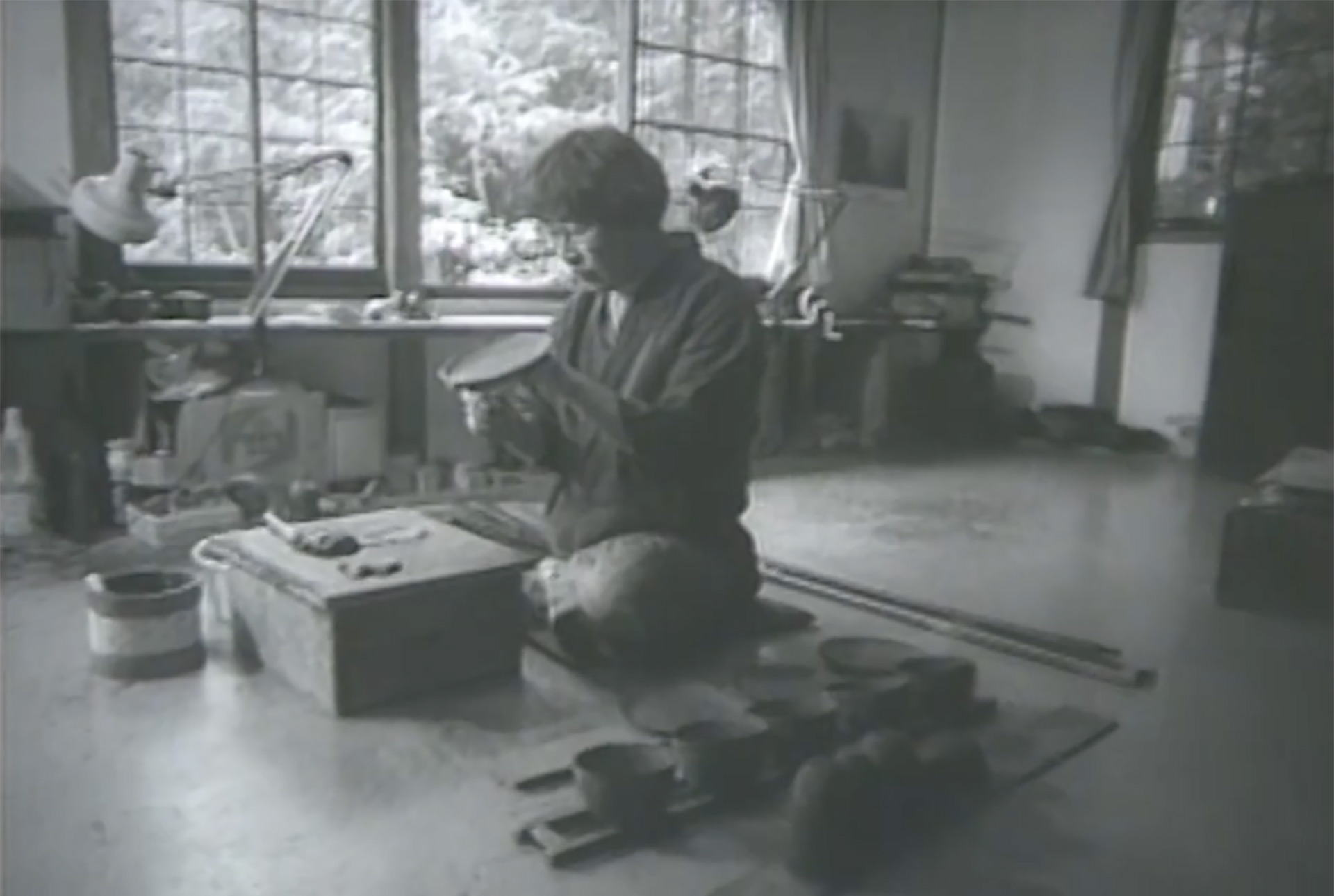
01 / Sap, time and patience
Sap, time and patience.
Real urushi begins inside a tree.
The Japanese lacquer tree, Toxicodendron vernicifluum, grows in East Asia. Small cuts are made in the bark and tiny amounts of sap gather on the surface. A harvester returns throughout the season, working slowly up the trunk and collecting each drop by hand.
After years of growing, a single tree gives up only around 200 grams of lacquer.
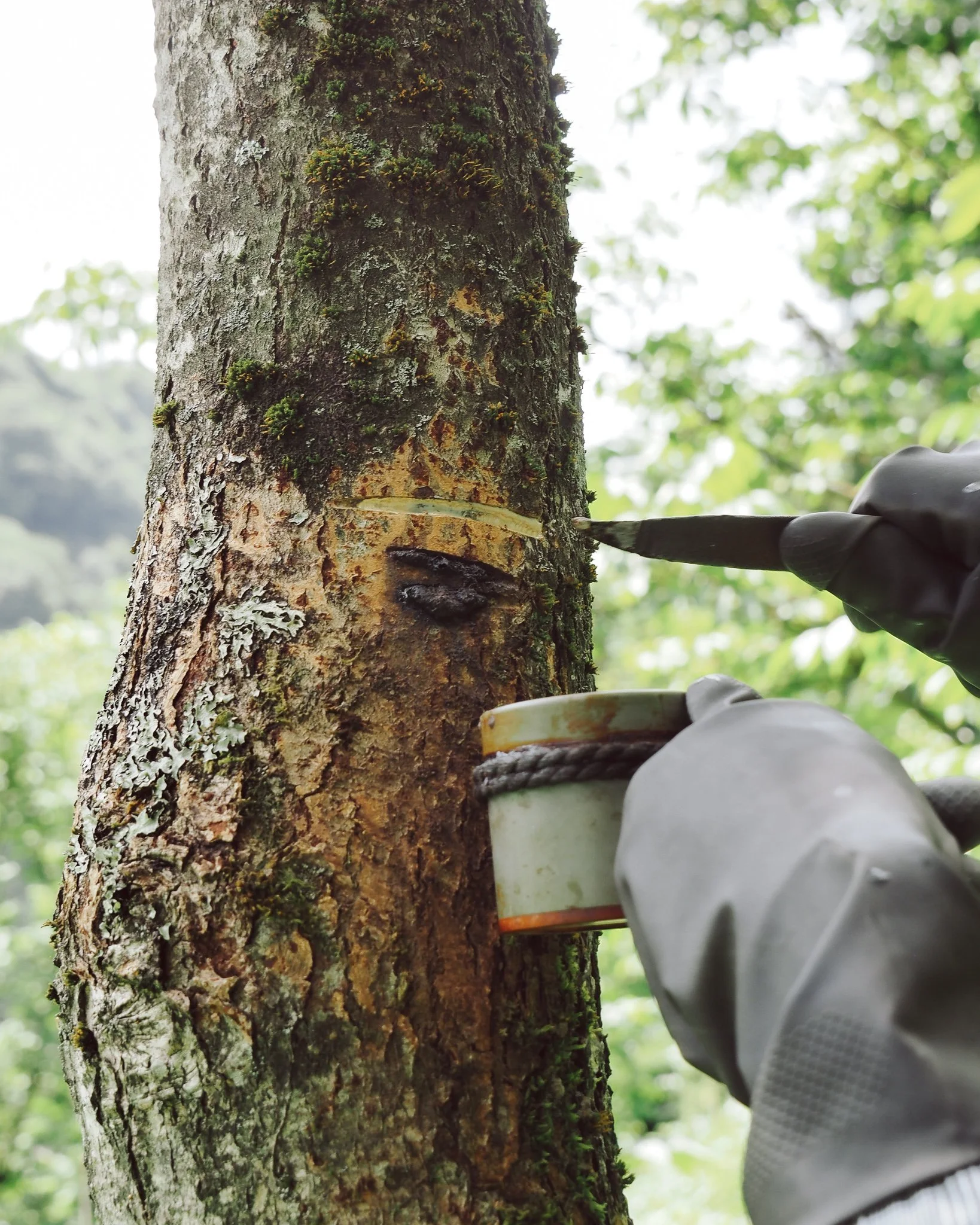
and makes a series of cuts to tap the sap
. The lacquer has different names and different properties, according to when it is extracted. .png)
according to when it is extracted
01 / The raw material
The raw sap is not friendly.
It contains urushiol, the same substance responsible for the rash caused by poison ivy. While uncured, contact with bare skin can cause a serious reaction. Worked properly, it becomes one of the most beautiful and enduring surfaces people have made.
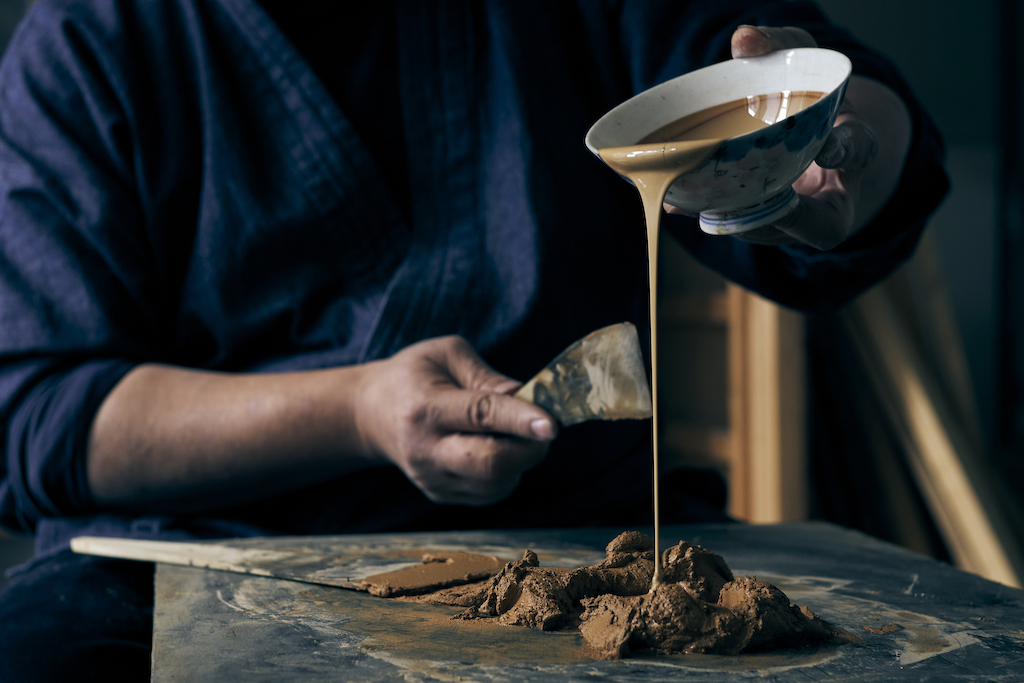
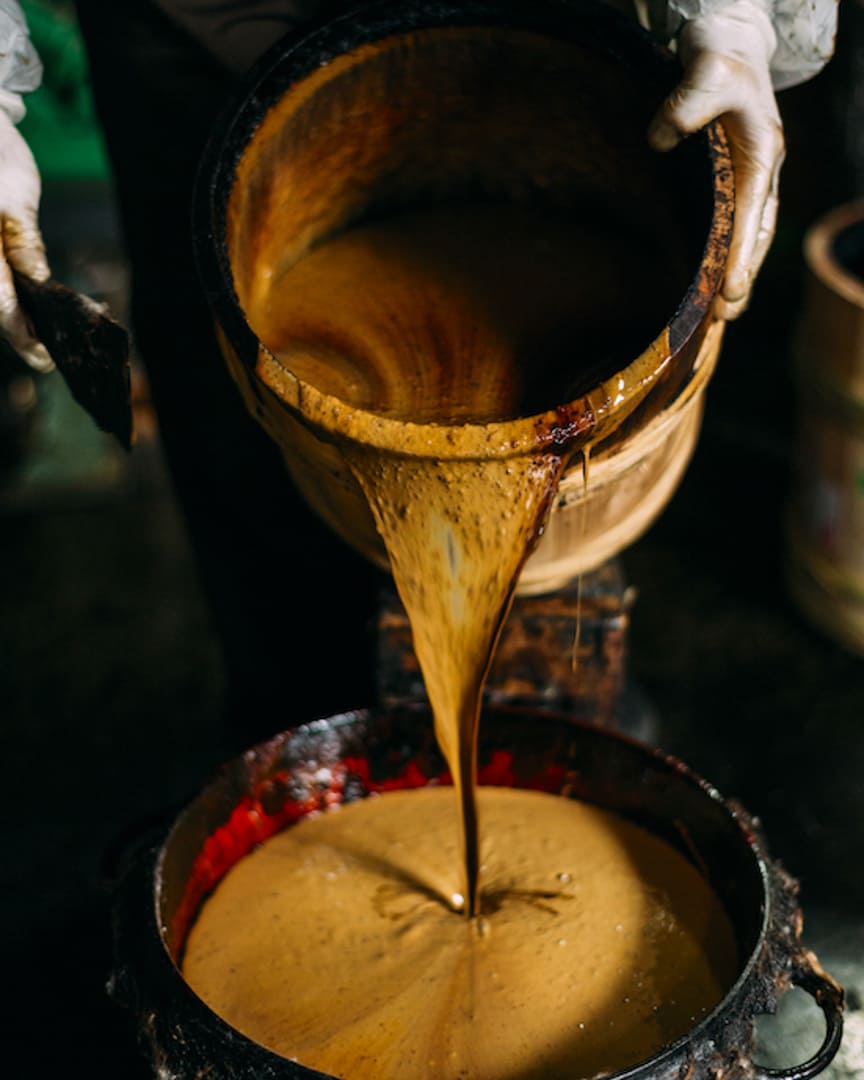
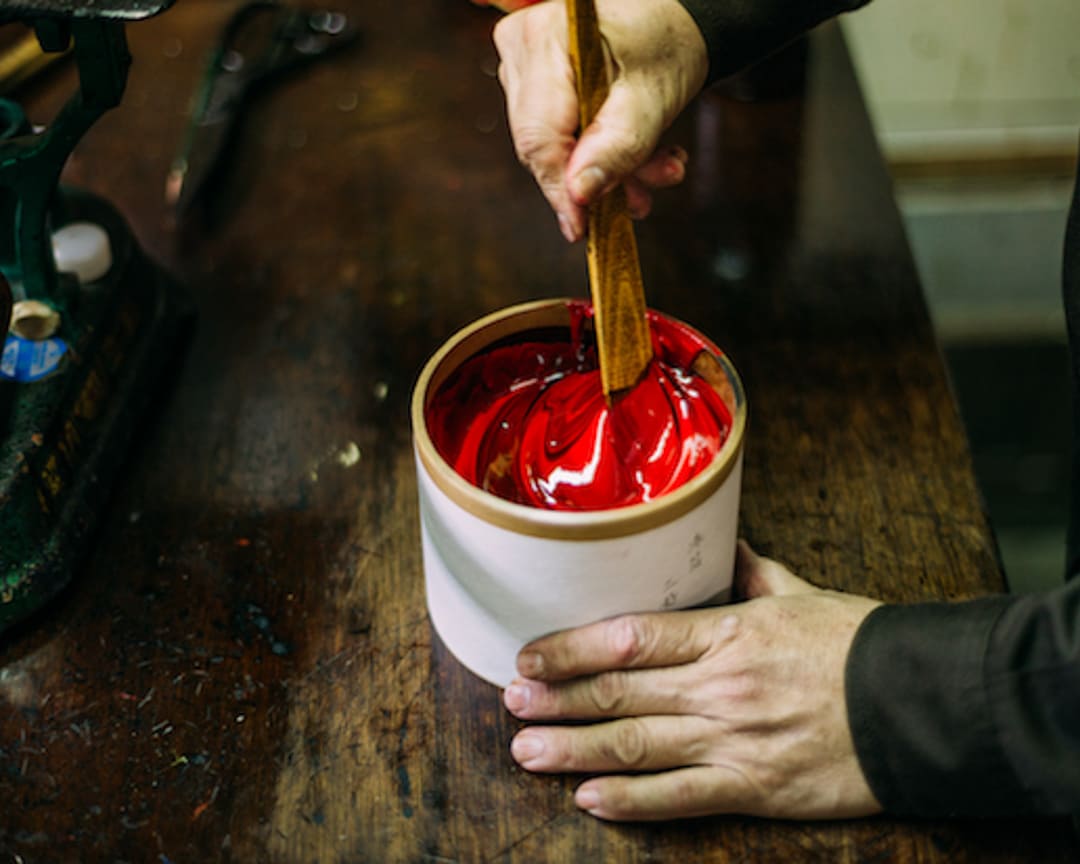
The sap is filtered, refined and prepared for the finish being created. Pigments bring the deep reds and blacks most closely associated with Japanese lacquer. Gold and silver powders can be scattered across the wet surface. Shell and other materials can be worked in to hold decoration, texture and light.
Then comes the strange part.
Urushi does not dry in the usual sense.
It cures.
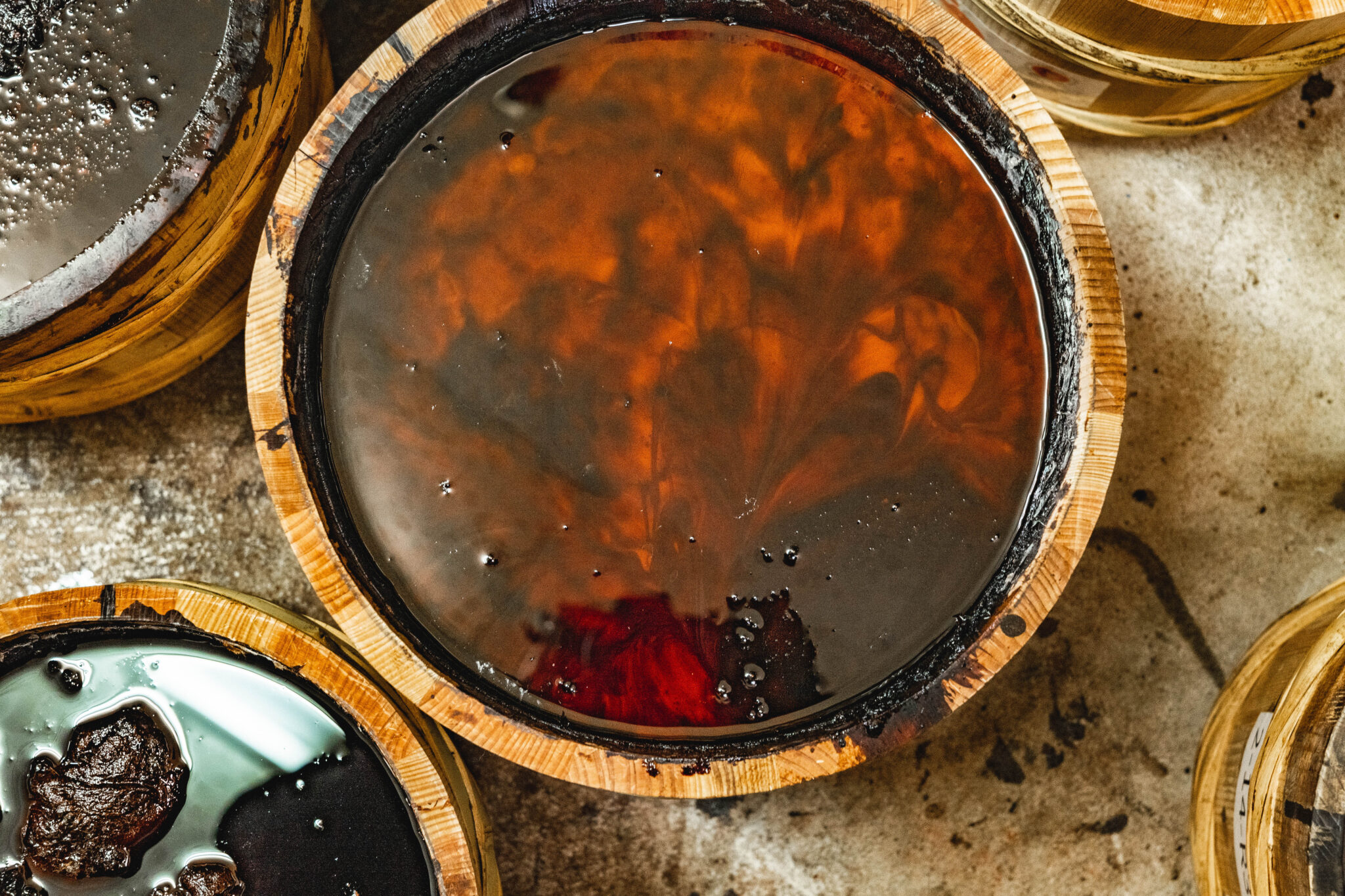
01 / Weeks, sometimes months
It hardens through a slow reaction with oxygen and humidity, so each piece is left in a warm, damp environment, the opposite of what you might expect. Thin coats are laid on, cured, refined and covered again. A finished object can carry dozens of layers.
It takes weeks. Sometimes months.
There is no way to hurry it.

Naoya Takayama
01 / The surface
The result is hard to fake.
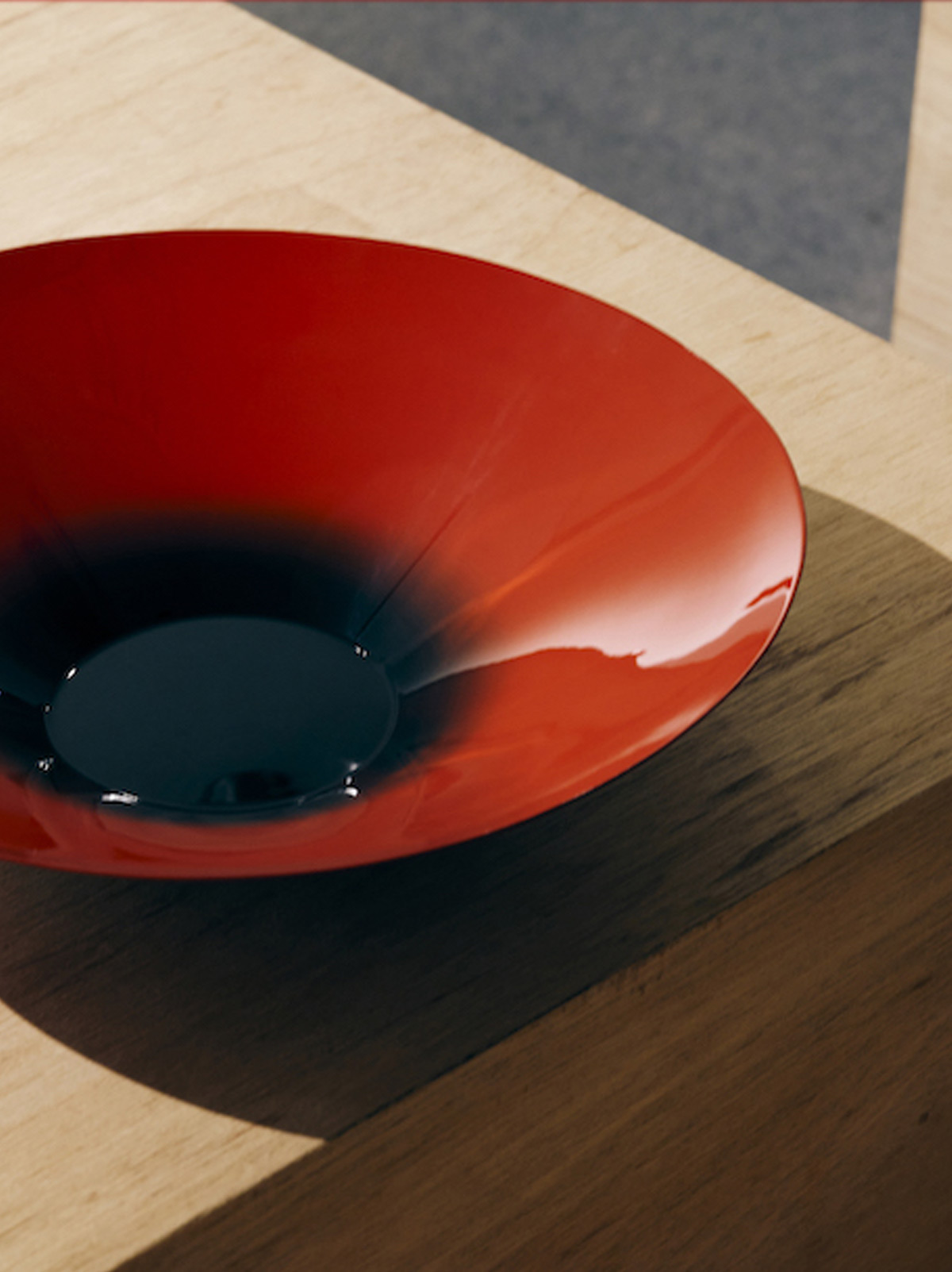
Touch it and the surface can feel soft, almost like skin. Look into it and the colour seems to sit beneath the surface rather than on top. The shine is not loud. It holds light instead of throwing it back.
Urushi protects and transforms at once.
It preserves the object beneath while changing how it looks and feels.
And it does both without shouting.
That is what drew us to it.
02 / Why not just lacquer the board?
Why not just lacquer the board?
A snowboard is not a quiet object.
It bends deeply through turns. It snaps through ollies, twists through jump turns and takes the impact of every landing. It meets trees, steel edges, lift queues and the occasional careless rider.
Real urushi is remarkably durable when properly cured on a suitable, stable surface.
A snowboard asks something else of its finish.
Repeated flex, twisting, abrasion, impact, ultraviolet light and constant changes in temperature would place a true lacquer surface under continual stress. In time, it could crack, chip or lift from the material beneath it.
We did not want to force an extraordinary material into a job it was never meant to do.
We did not want to make a fragile novelty.
So we made two things from the same idea.
One to ride.
One to keep.
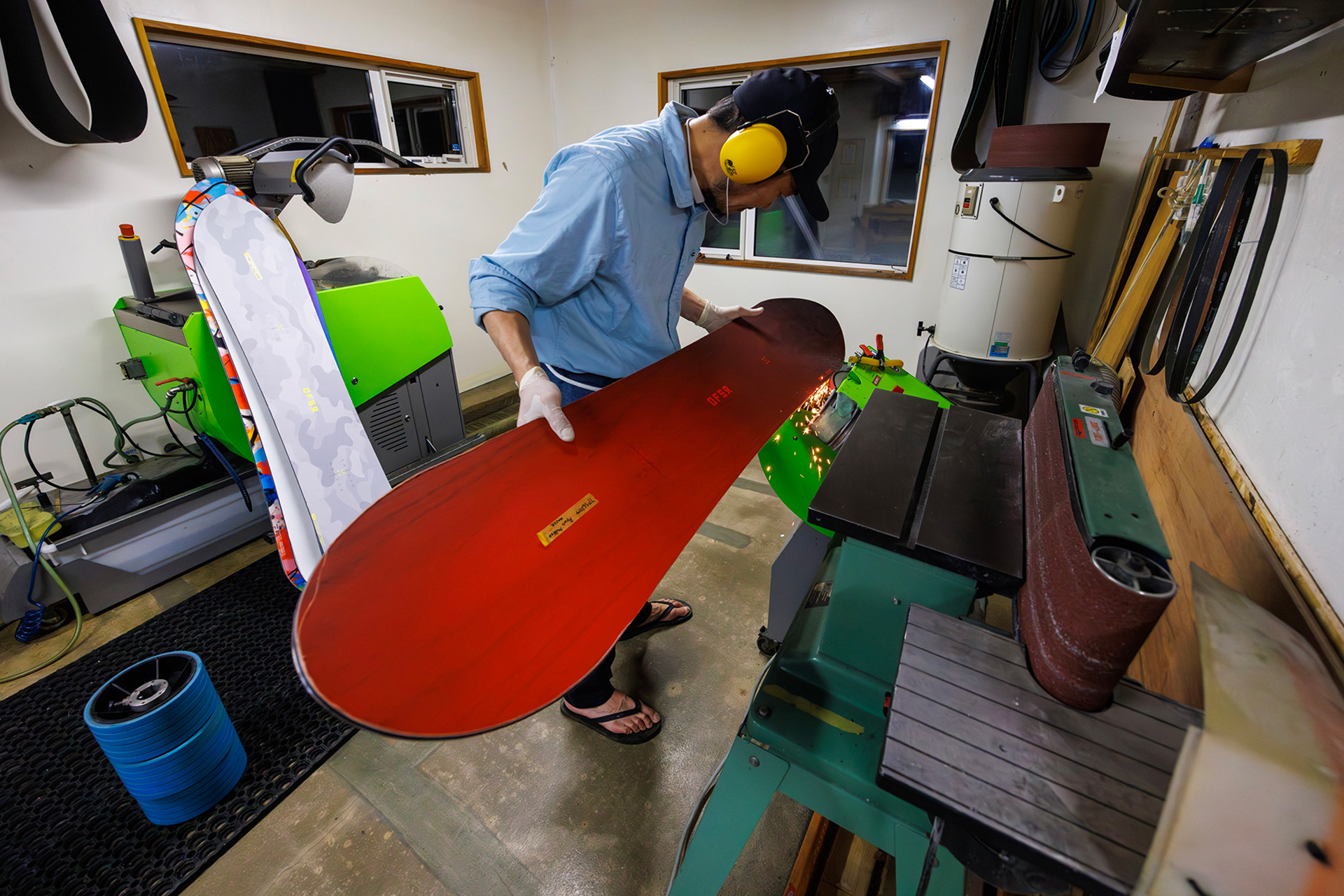
03 / The Urushi Series · Made to be ridden
One to ride: The Urushi Series.
Proven performance deserves a classic aesthetic.
Urushi is the flagship graphic series of Offshore Snow Shapes.
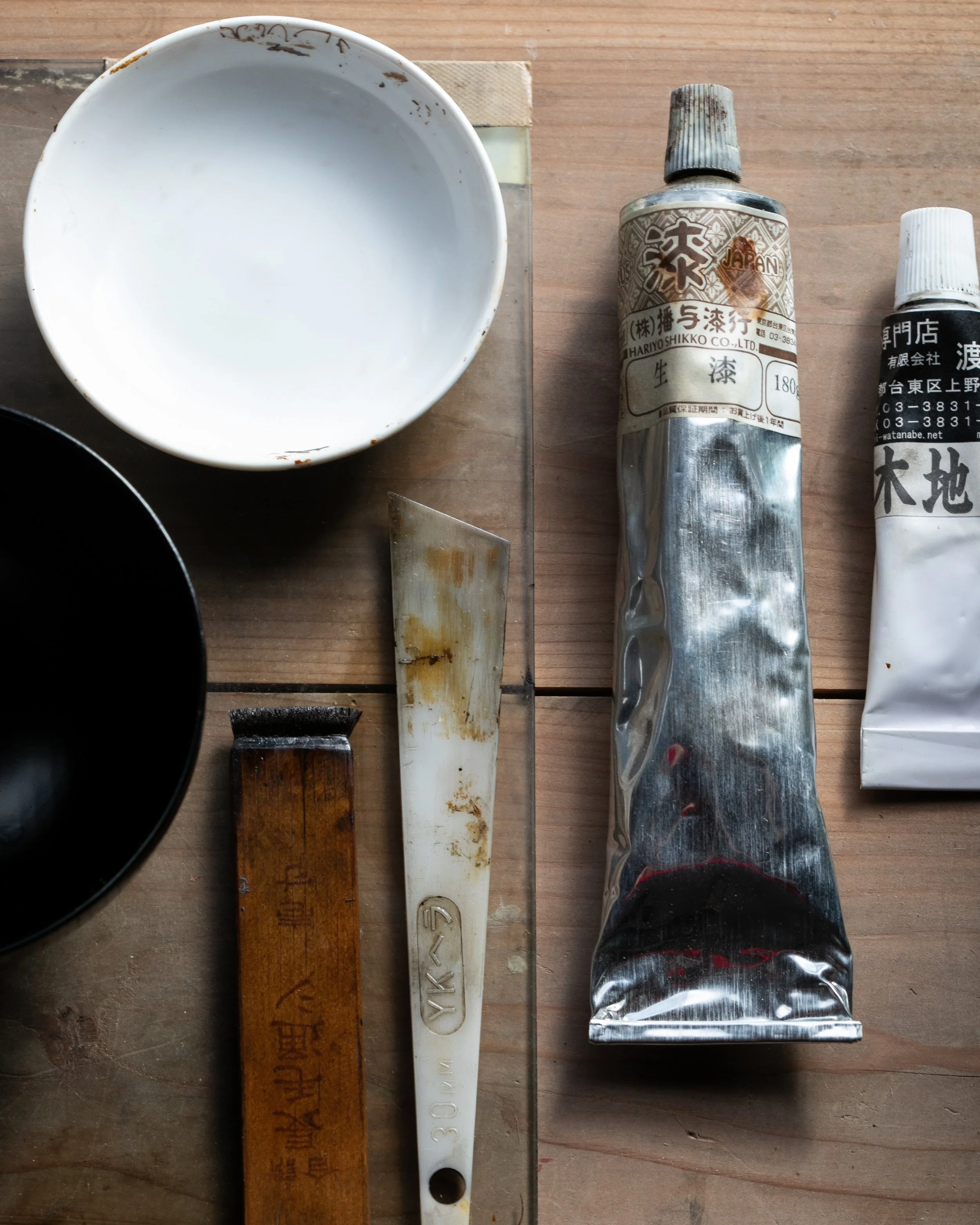
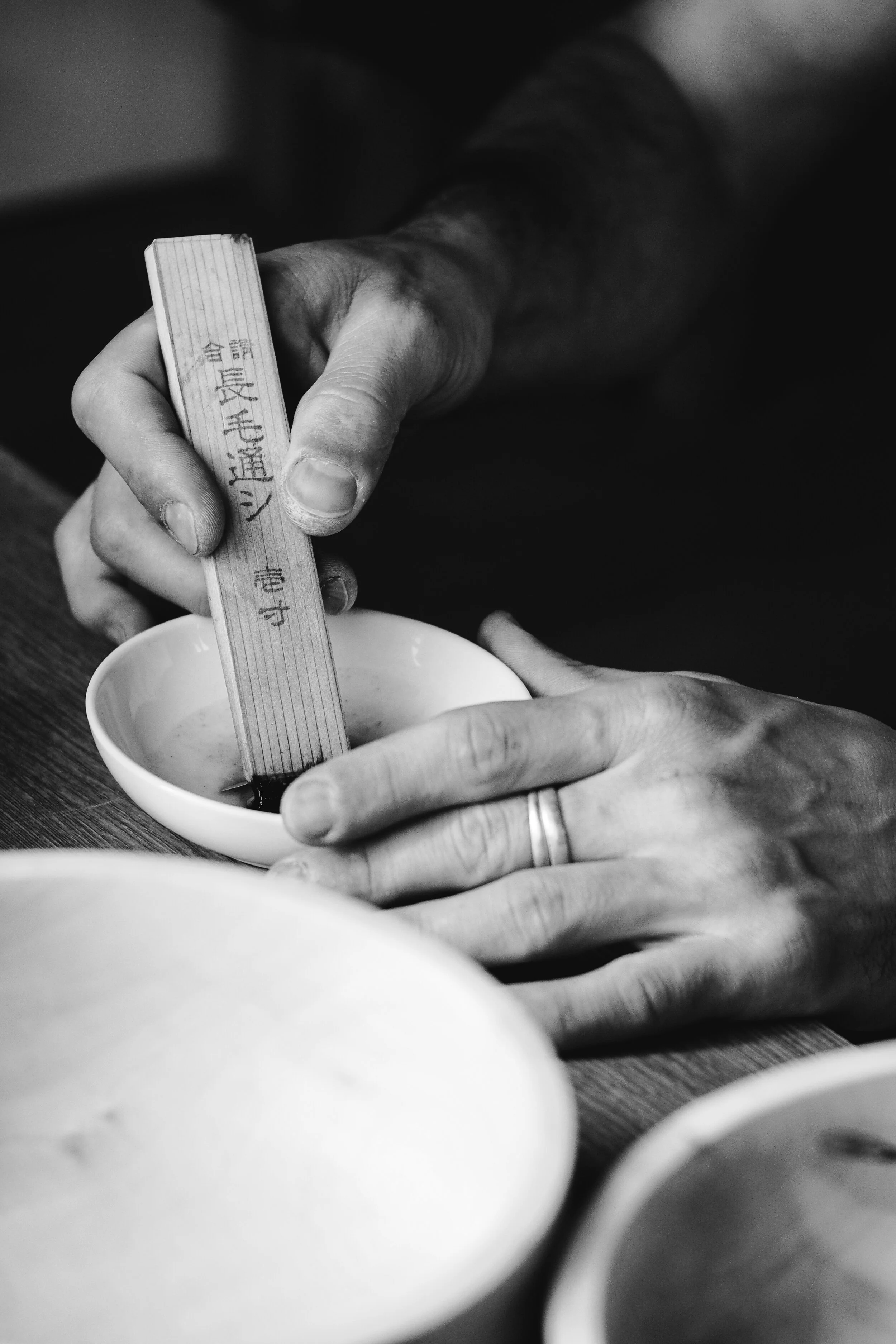
The idea was never to take a traditional pattern and stick it on a board. Every design begins with the real material, in the hands of an artist who understands it.
Each season starts with an original piece of urushi artwork.
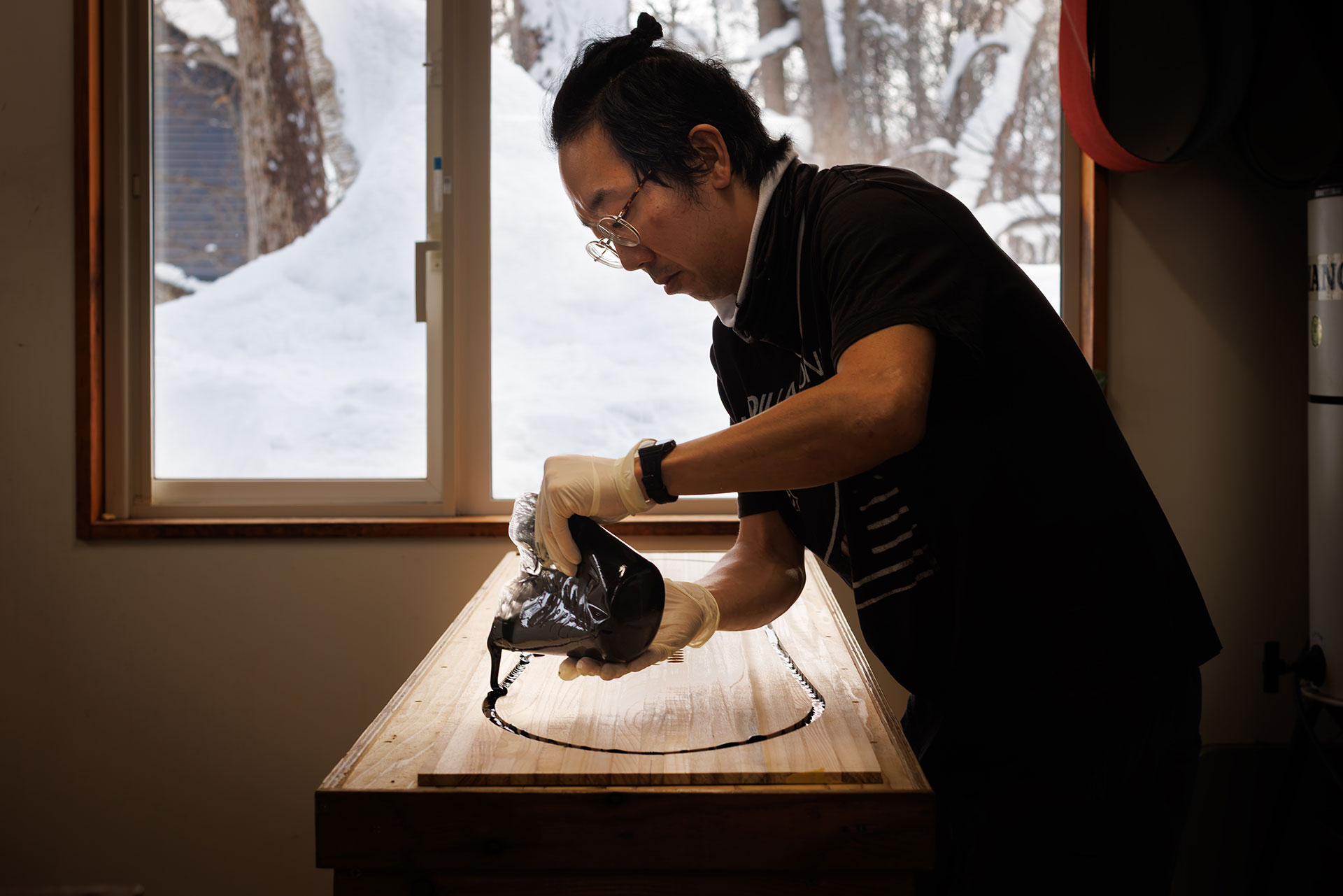
Lacquer is painted, layered and worked by hand. Colour shifts. Materials gather. Marks appear that could not be planned in quite the same way twice.
03 / From artwork to image
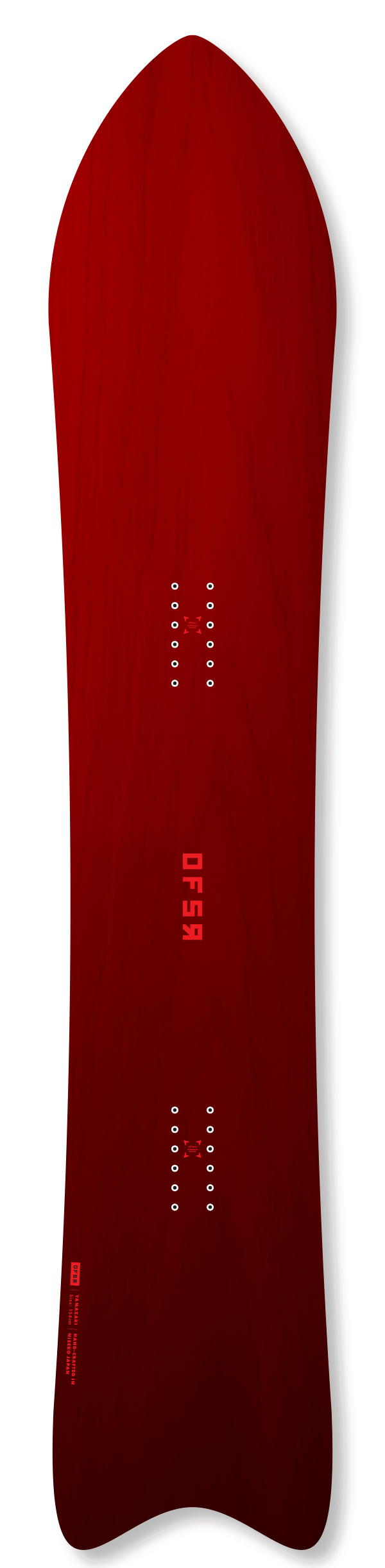
When the work is complete, we carefully photograph and digitise it. The depth, movement and irregularities of the lacquer are prepared for a different material and a very different life.
From an artwork made to remain still, we create something made to move.
03 / Into the material
The image is transferred into our high-quality nylon topsheet using heat sublimation. Under controlled heat and pressure, special inks pass from solid to gas and penetrate the material itself.
The colour becomes part of the nylon rather than a printed layer sitting on its surface.
The topsheet is selected for stability through friction, temperature change and repeated stress. It provides lasting colour, resistance to wear and less chipping over time.
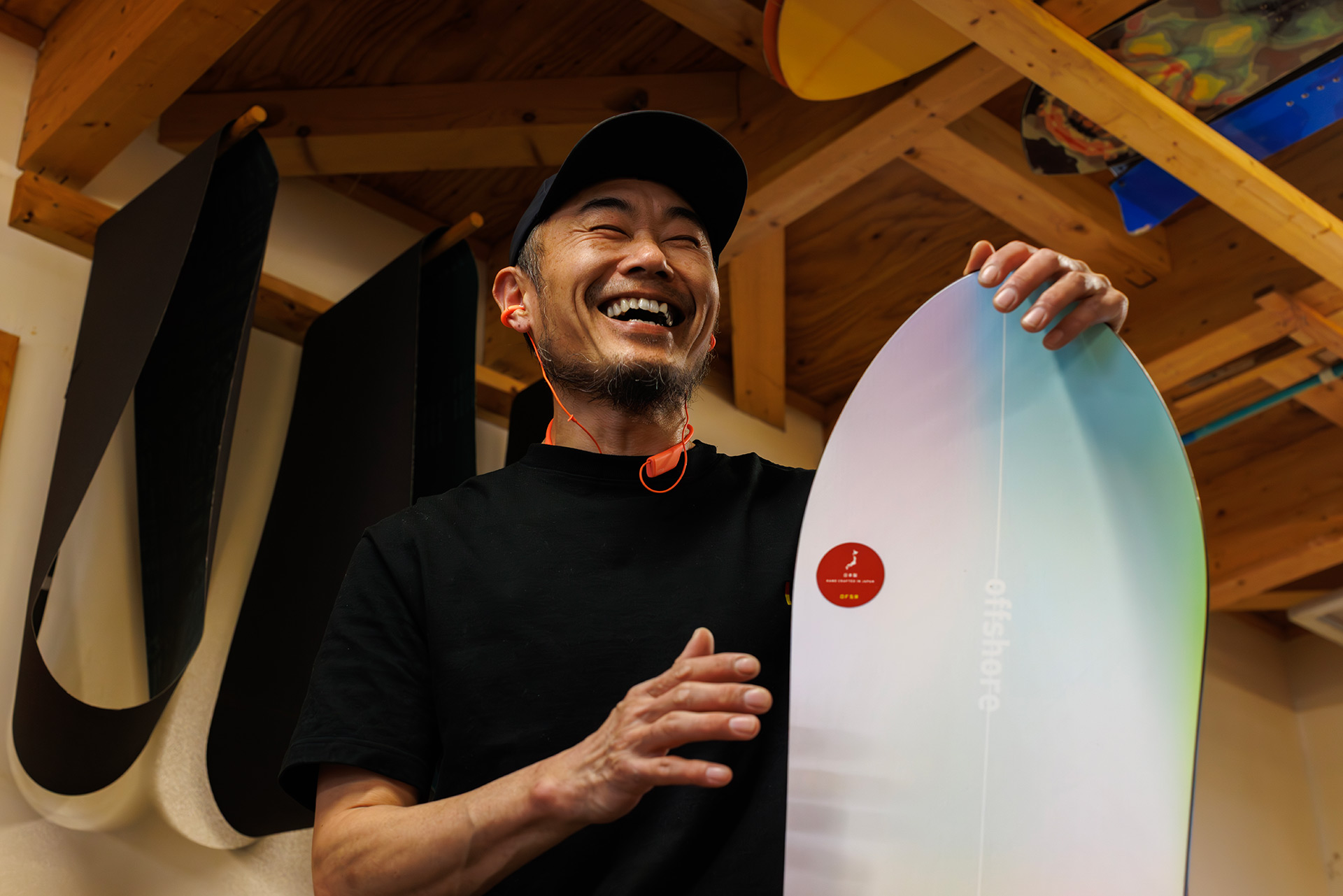
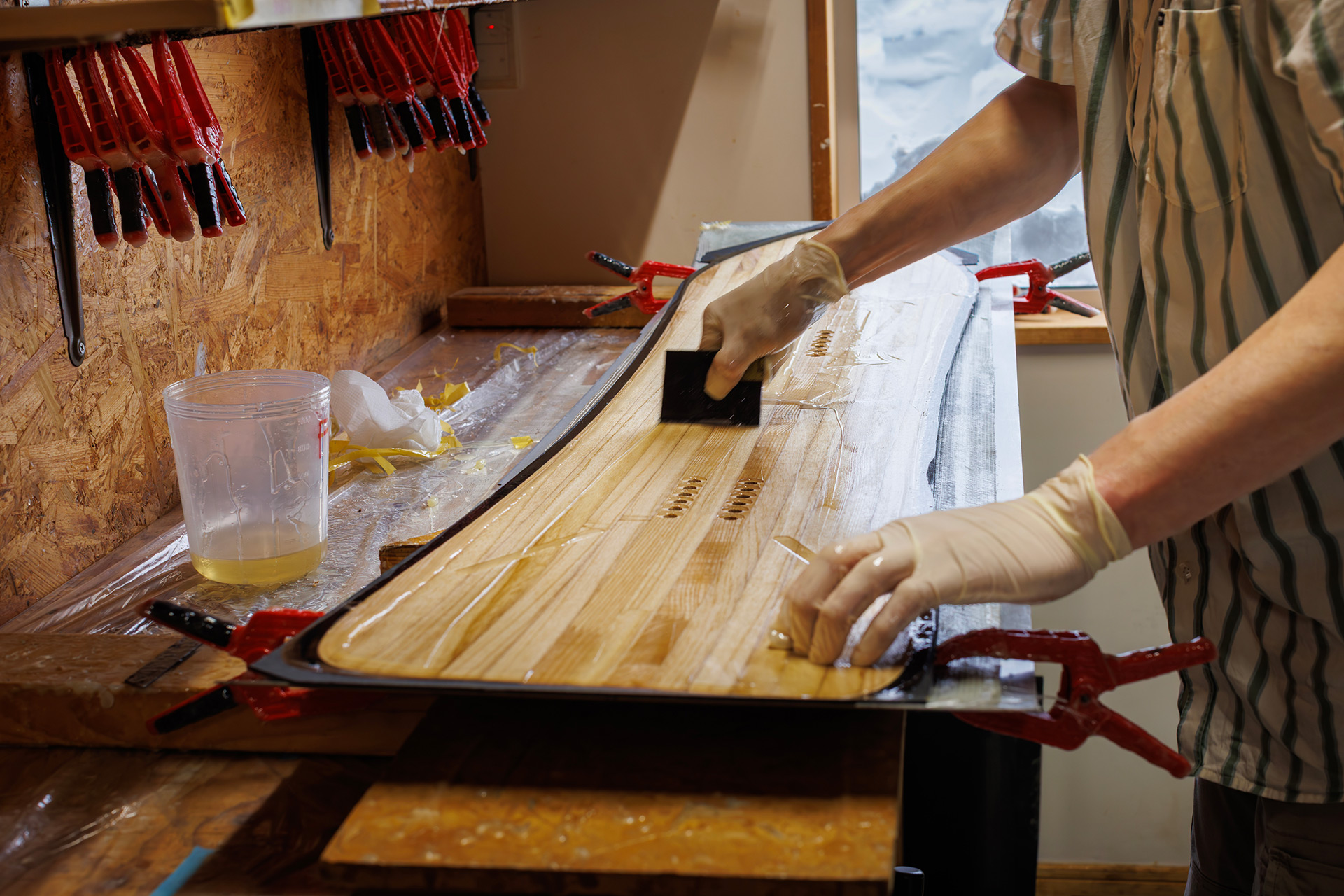
The finished topsheet is laid into the board alongside the core, laminates, sidewalls and base, then pressed into its final form in our Niseko Kōjō.
03 / Not a coating
The finished board is not coated in lacquer.
It is a digital interpretation of an original urushi work, translated into a material made to flex, take impacts and spend winter after winter in the mountains.
A modern homage to an ancient craft.
Captured in print.
Made to be ridden.
04 / Urushi Art · Made to be kept
One to keep: Urushi Art.
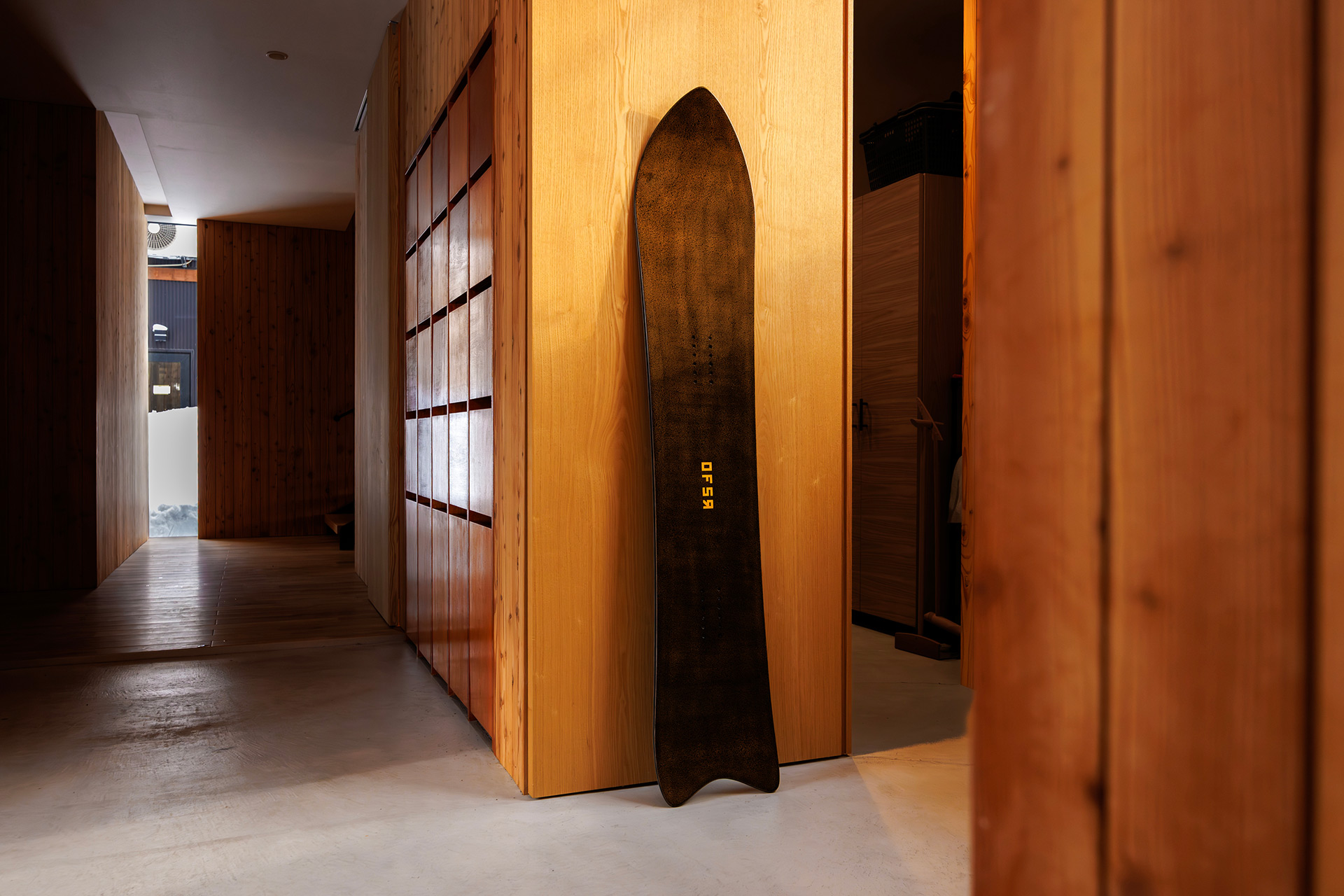
Original lacquer works, made by hand on an Offshore shape. Available by commission.
Urushi Art takes the other path.
Instead of translating the original artwork into print, the artist applies real urushi directly to an Offshore shape.
Layer by layer, the snowboard form becomes the canvas.
These are not rideable snowboards with lacquer graphics. They are original lacquer works made in the language of snowboarding.
The familiar outline remains, but its purpose changes.
A piece of equipment becomes an object to live with.
04 / By commission
No digital reproduction.
No printed topsheet.
No two surfaces exactly alike.
Just lacquer, time and the hand of the artist.
Only a very limited number are created. Each is made upon request, individually worked and finished as an original Urushi Art piece.
To learn more or commission your own original Urushi Art piece, talk to us.
Made to be kept.
05 / Seven thousand years, still moving
Seven thousand years, still moving.
An ancient material, still finding new forms.
Tradition is sometimes treated as something finished. Something preserved behind glass.
Urushi has never really worked that way.
It began as a functional material, protecting objects that were carried, handled and used. Across thousands of years, artists continued to refine it, combining old knowledge with new forms, materials and ideas.
Today, contemporary lacquer artists continue to take the craft somewhere unexpected. The materials change.
The knowledge in the hand stays.
Our place in that story is small.
One artist.
One original work.
One snowboard at a time.
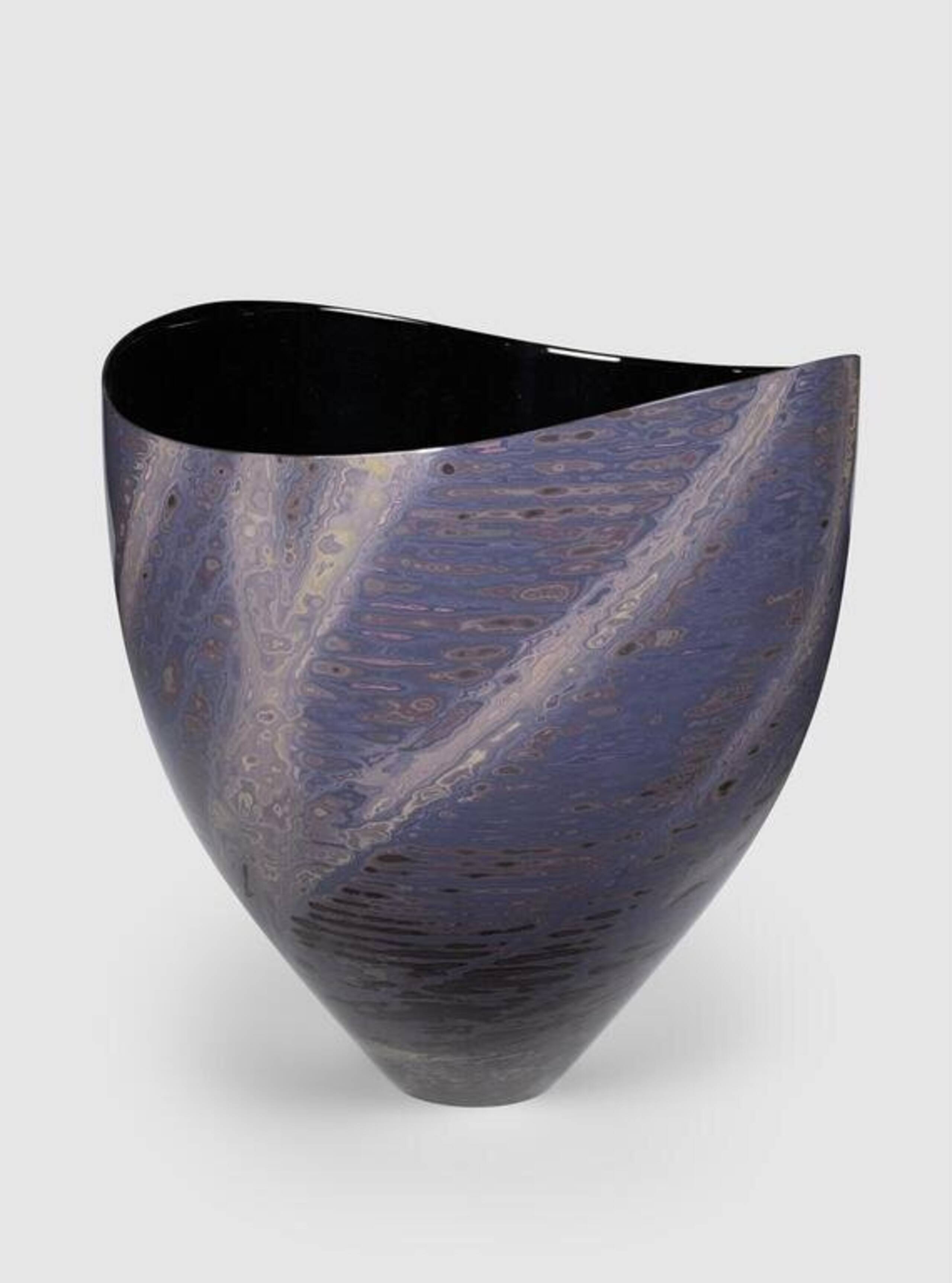
Nakata Mayu / Kanazawa, 2025
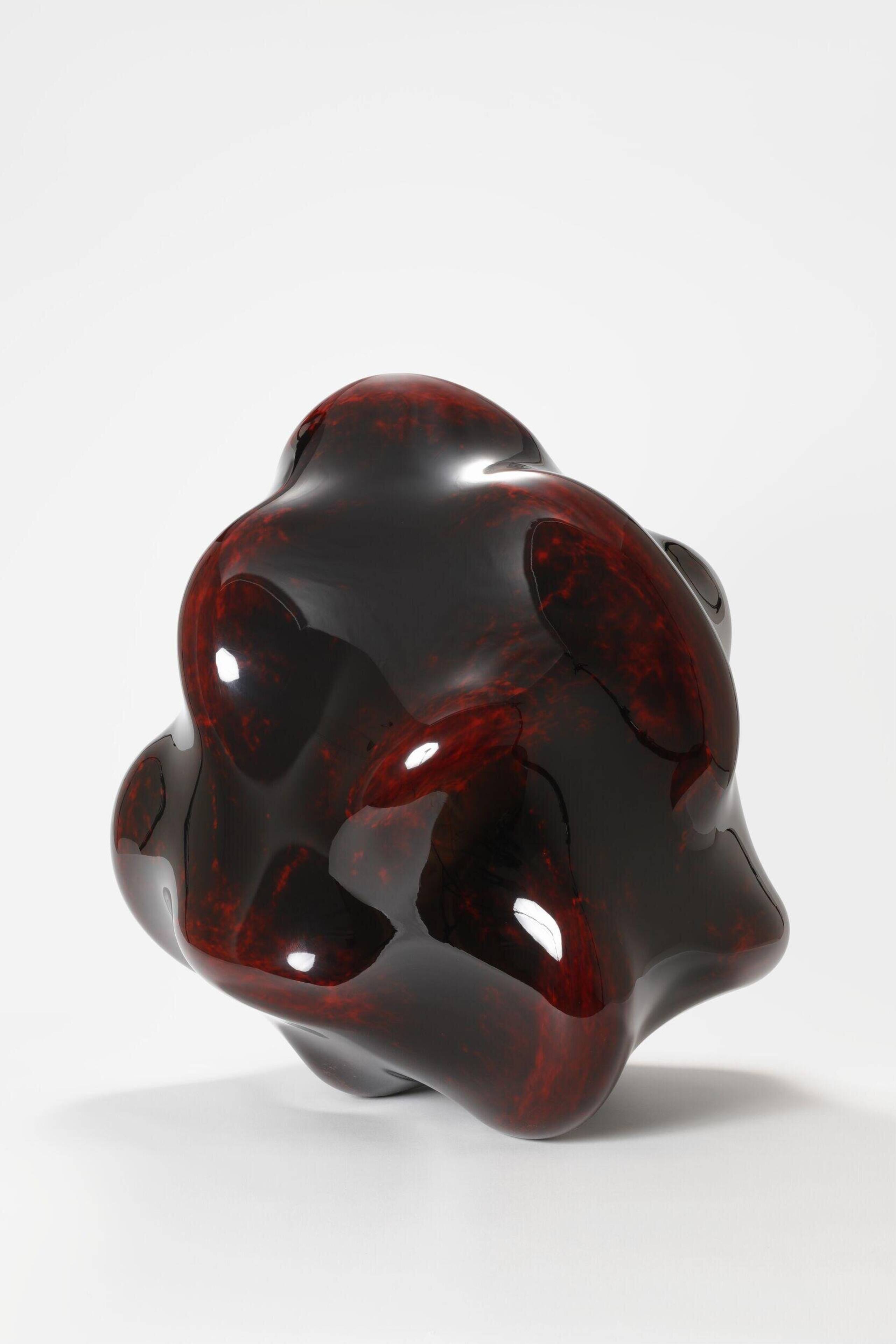
Ishizuka Genta / Kyoto, 2024
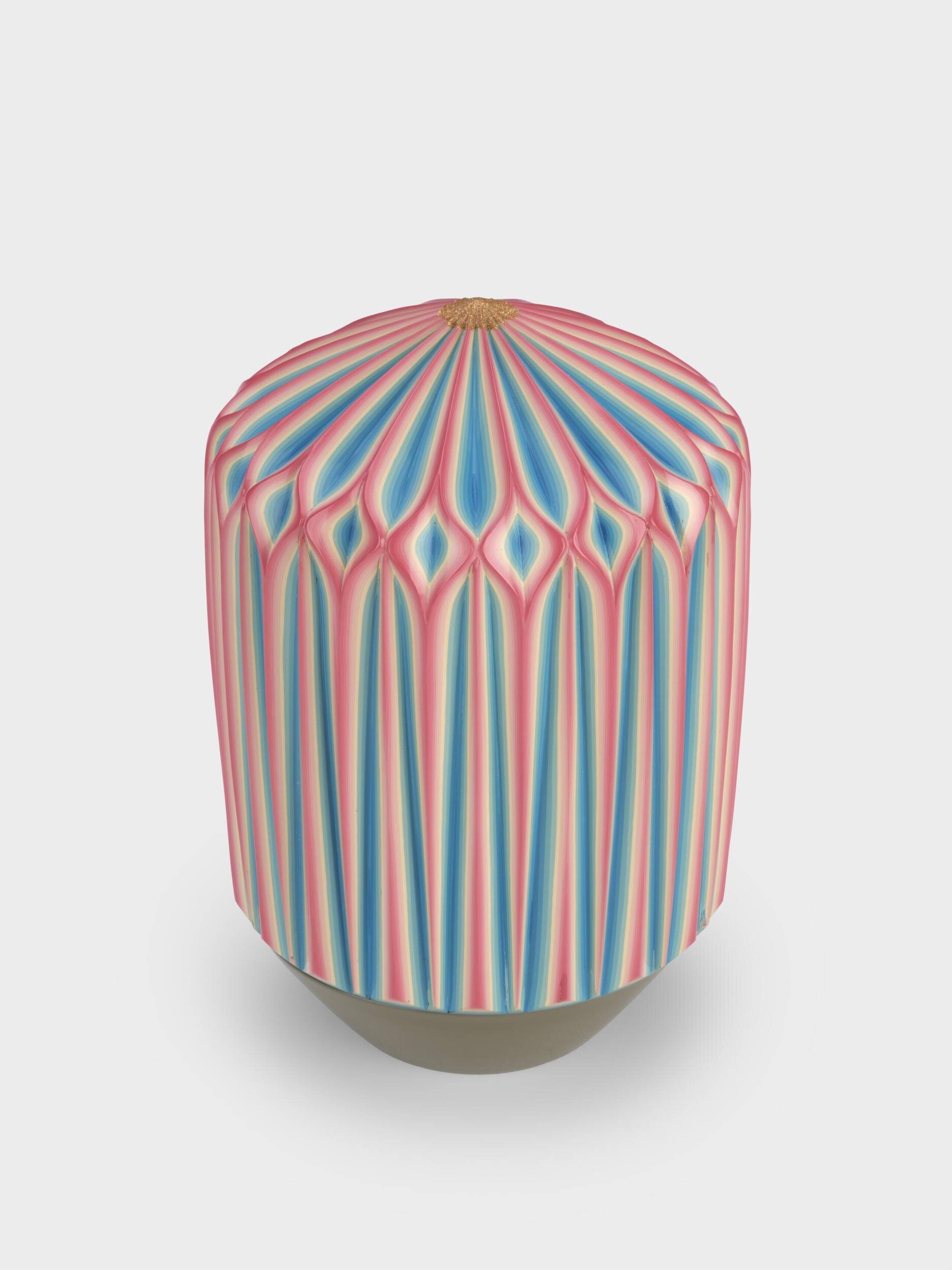
Uesugi Gakusui / Kyoto, 2021
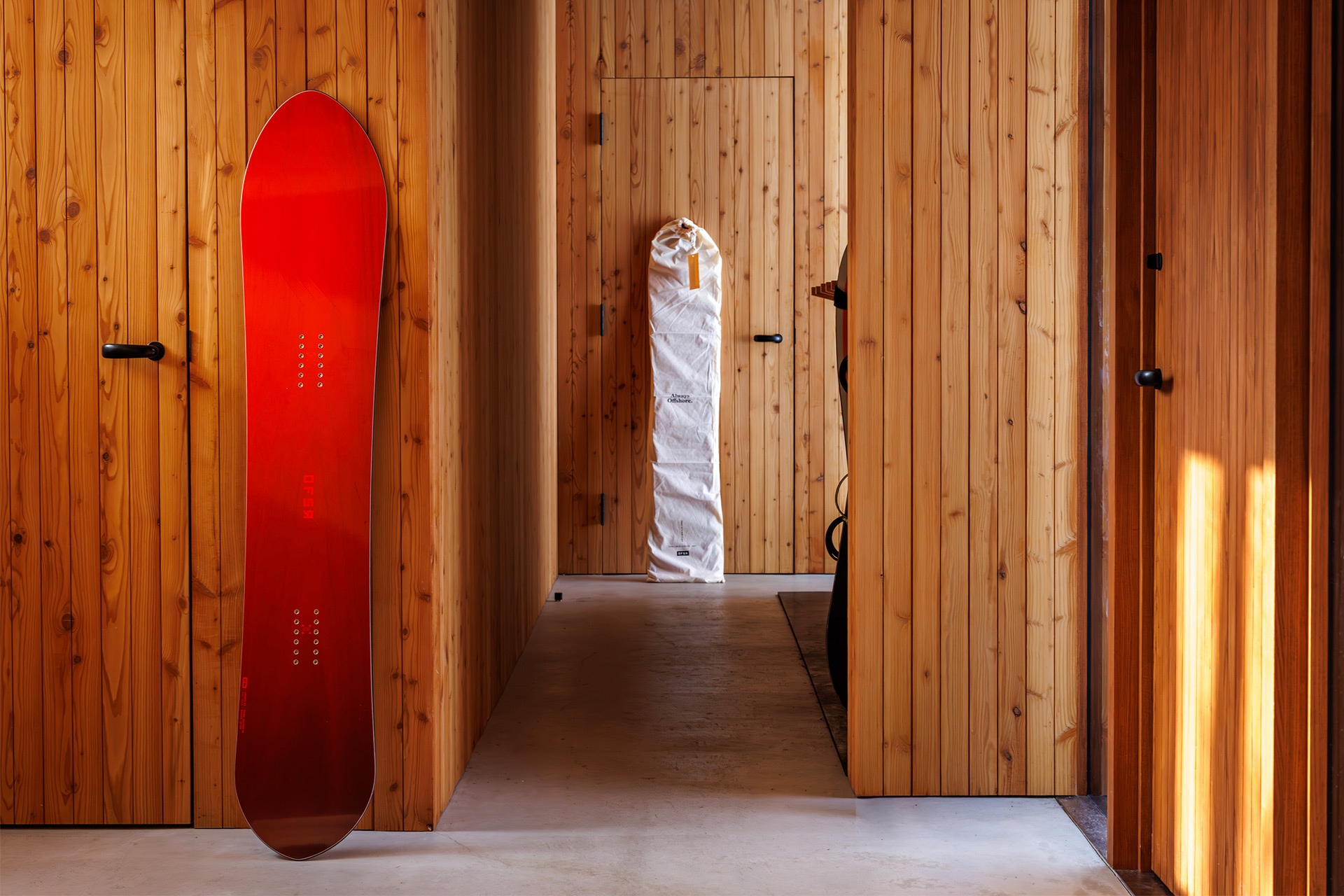
05 / Both begin in the same place
The Urushi Series carries the image into the mountains on a rideable Offshore.
Urushi Art transforms the lacquer itself into an original work, made to be lived with and kept for generations.
One is made to move through snow.
The other is made to hold the light.
Both begin in the same place:
The sap of a tree.
A patient hand.
Seven thousand years of practice.
More from the Journal
View all
More entries
01
05